Flat Roof Leak Repair in Fort Lauderdale: What to Expect
What to expect from flat roof leak repair in Fort Lauderdale: real costs, timelines, common causes, and how our local crew stops leaks fast.
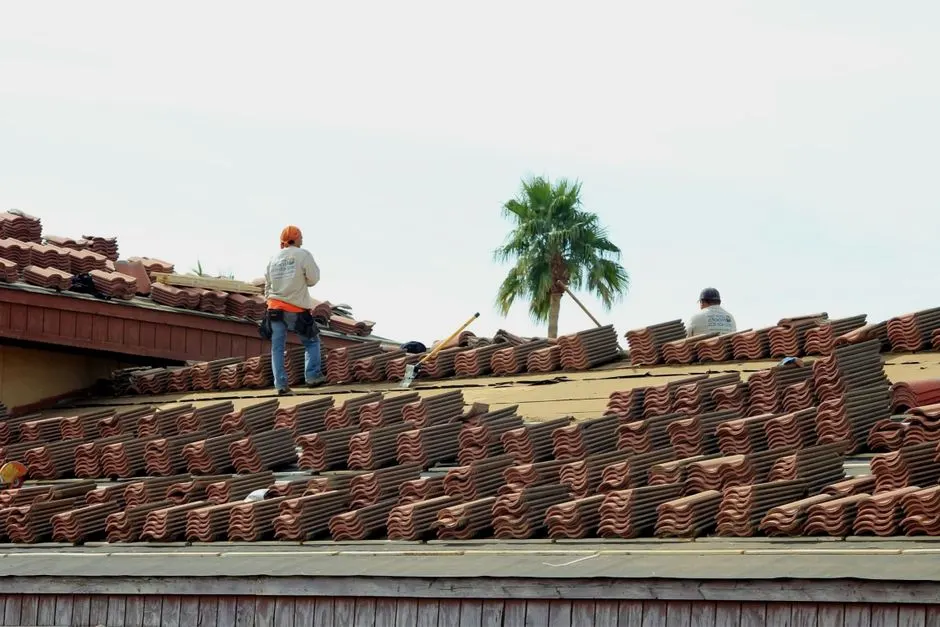
Flat roof leak repair in Fort Lauderdale is the process of finding and sealing the exact point where water enters your flat roof system, then restoring the membrane, flashing, and drainage so the leak does not come back. You can expect a professional crew to inspect, test, and repair the leak in one visit for most residential flat roofs, with costs ranging from $350 to $1,800 depending on the damage. This article walks you through what we see on Fort Lauderdale roofs every week, what the repair involves, and what you should budget in 2026.
Fort Lauderdale gets about 63 inches of rain a year, and most of it lands between May and October. That is a lot of water for any flat roof to shed. If you own a home or commercial building with a low-slope roof, you already know the anxiety of a ceiling stain that keeps growing. We are Weatherproof Roofing Inc, and we handle flat roof leak repair in Florida across Broward County. Here is what to expect when you call us.
Why Flat Roofs Leak So Often in Fort Lauderdale
Fort Lauderdale flat roofs leak more often than pitched roofs because they rely on a continuous membrane and a working drainage system, and South Florida's sun and rain attack both relentlessly. A flat roof does not shed water by gravity the way a shingle roof does; it relies on a slight slope toward drains, scuppers, or gutters. When that slope is compromised or a drain clogs, water sits. Standing water is the number one enemy of any flat roof.
Our climate makes it worse. UV index in Fort Lauderdale averages 10 to 11 from April through September. That intensity breaks down asphalt and modified bitumen membranes faster than in almost any other part of the country. A roof that would last 20 years in a milder climate often needs attention at 10 to 12 years here. Add the daily afternoon thunderstorms from June to September, and you have a roof that is alternately baked and flooded.
We also see a lot of older flat roofs on 1950s and 1960s homes in neighborhoods like Coral Ridge, Victoria Park, and Poinsettia Heights. Many of those roofs have been recoated multiple times. Eventually the layers trap moisture and the leak shows up inside, sometimes 10 or 15 feet from the actual breach. That is why leak detection matters more on flat roofs than on any other roof type.
What Causes Flat Roof Leaks in Fort Lauderdale?
Flat roof leaks in Fort Lauderdale are caused by five things more than any others: failed flashing, clogged drains, membrane blisters, open seams, and punctures from foot traffic or storm debris. We track every job, and these five account for roughly 85 percent of the flat roof leaks we repair in Broward County.
Here is what each one looks like on a Fort Lauderdale roof:
- Failed flashing - where the roof meets a wall, parapet, vent, or HVAC curb. The sealant cracks after two or three summers of thermal expansion. Water runs behind it and into the deck.
- Clogged drains and scuppers - our afternoon storms wash leaves, palm fronds, and granules into drains. Once the drain backs up, water ponds and finds the weakest seam.
- Membrane blisters - pockets of trapped moisture or air that bubble up under the membrane. When they pop, the roof is open.
- Open seams - the laps where rolls of membrane overlap. Heat and age cause the adhesive to fail.
- Punctures - from HVAC technicians walking the roof, from storm-blown debris, or from old satellite dish mounts.
If your building has a tile or shingle roof instead, the leak source is usually different. We also handle tile roof leak repair in Florida and missing shingle roof repair in Florida when the roof type changes the diagnosis.
How Much Does Flat Roof Leak Repair Cost in Fort Lauderdale?
Typical 2026 pricing for flat roof leak repair in Fort Lauderdale runs from $350 for a straightforward flashing reseal to $1,800 or more for a large membrane repair with decking replacement. The average job we complete in Broward County lands between $650 and $1,200.
Here is a realistic breakdown by repair type:
- Minor flashing reseal - $350 to $550. Common around vents, pipes, and wall terminations.
- Membrane patch (up to 100 sq ft) - $550 to $950. Includes cleaning, primer, and a fully adhered patch.
- Drain or scupper repair - $400 to $800. Includes clearing, resealing, and testing.
- Large membrane repair with decking - $1,200 to $1,800+. Needed when the leak has rotted the substrate.
- Emergency tarping - $300 to $600. Stops water until a permanent repair can be scheduled.
Those numbers assume a single-story roof with reasonable access. Two-story buildings, tile-over-flat combinations, and roofs with heavy HVAC equipment on top can push the price higher because of access and staging time. We give you a flat price before we start, so the number you hear is the number you pay.
Commercial flat roofs are priced differently because the square footage and code requirements are different. For a commercial flat roof repair in Fort Lauderdale, most property managers budget $1,200 to $4,500 per repair, depending on membrane type and whether the work needs to happen after hours.
How Long Does Flat Roof Leak Repair Take in Fort Lauderdale?
Most flat roof leak repairs in Fort Lauderdale take two to four hours on site, and you can usually schedule the work within one to three days of your call. Emergency calls during storm season may get a same-day tarp and a permanent repair within 48 hours.
Here is how the time breaks down:
- Leak detection - 30 to 60 minutes. We use moisture meters, infrared imaging, and water testing to trace the path.
- Prep and dry-in - 30 to 45 minutes. We clear the area, remove failed material, and dry the substrate.
- Repair - 1 to 2 hours for most patches and flashing work.
- Testing - 15 to 30 minutes. We flood-test or hose-test the repair before we leave.
If the leak has been active for months and the decking is soft, the job can stretch to a full day or more. We will tell you that upfront after the inspection, not after we start cutting.
Flat Roof Leak Detection in Fort Lauderdale: How We Find the Source
Flat roof leak detection in Fort Lauderdale starts with the understanding that water rarely enters where the ceiling stain appears. On a low-slope roof, water can travel 20 feet or more along a seam or under a membrane before it drips through the deck.
We use three tools together:
- Moisture meters to map wet areas in the insulation and decking.
- Infrared imaging to see temperature differences that reveal trapped moisture, especially after a hot afternoon.
- Water testing - controlled hose testing, section by section, to confirm the exact entry point.
We also look at the whole roof system, not just the leak. If the drains are undersized, the slope has flattened, or the membrane is at the end of its life, patching one spot is a temporary fix. We tell you that honestly. Sometimes the right answer is a targeted repair; sometimes it is a partial re-roof. You will get both options with prices.
For leaks that show up during a storm and need immediate attention, we offer emergency roof leak repair in Florida and emergency roof tarping in Florida to stop the water until we can make the permanent repair.
What to Watch Out For
The biggest mistake we see Fort Lauderdale homeowners make is patching the ceiling stain instead of the roof. Paint and stain blocker hide the symptom for a few weeks. Then the next storm proves the leak was never fixed.
Other things to watch for:
- Roofers who quote over the phone without seeing the roof. Flat roof leaks are almost never diagnosable from the ground. Any price given without an inspection is a guess.
- Recoating as a cure-all. A fresh coat of elastomeric over a wet membrane traps moisture and makes the next repair more expensive.
- Ignoring the drains. If your drains are not cleared twice a year in South Florida, you are inviting a leak. This is the cheapest preventive maintenance you can do.
- Waiting until the dry season. By November, the damage has been sitting for months. Mold, rotted decking, and soaked insulation only get worse.
We also see homeowners hire a general handyman for a flat roof leak, then call us three months later when the leak returns. Flat roof membranes require specific materials and techniques. A proper repair uses compatible membrane, primer, and flashing details, not roof cement from a bucket.
When to Call a Professional
Call a professional when water is actively dripping, when you see sagging or soft spots in the ceiling, or when the leak has returned after a previous repair. Those three situations almost always mean the problem is bigger than a surface patch.
You should also call us if you see any of these:
- Blistered or bubbling membrane on the roof surface.
- Rust stains or water marks on ceiling tiles or drywall.
- Standing water on the roof 48 hours after rain.
- A musty smell in the building, which points to mold in the insulation.
- Visible cracks in flashing around vents, curbs, or parapet walls.
Weatherproof Roofing Inc handles flat roof leak repair across Fort Lauderdale and the surrounding Broward County area. We inspect, diagnose, and repair in one visit whenever possible. If you are in a neighboring city, we also serve homeowners and property managers who need roof leak repair Naples FL and roof leak repair Sarasota FL through our extended team.
Frequently Asked Questions
How much does flat roof leak repair cost in Fort Lauderdale?
Most flat roof leak repairs in Fort Lauderdale cost between $350 and $1,800 in 2026, with the average job around $650 to $1,200. Minor flashing reseals are at the low end; large membrane repairs with decking replacement are at the high end. Emergency tarping runs $300 to $600.
What causes flat roof leaks in Fort Lauderdale?
The most common causes are failed flashing, clogged drains, membrane blisters, open seams, and punctures. Fort Lauderdale's intense UV and heavy summer rain accelerate all five. Standing water from a blocked drain is the single fastest path to a leak.
How long does flat roof leak repair take in Fort Lauderdale?
Most repairs take two to four hours on site. Leak detection adds 30 to 60 minutes. You can usually schedule the work within one to three days of your call, and emergency calls during storm season may get a same-day tarp with permanent repair within 48 hours.
Can I just patch a flat roof leak myself?
You can patch a small, visible puncture with a proper membrane patch kit, but most flat roof leaks are not where they appear. Water travels under the membrane. Without moisture detection, a DIY patch often misses the source and the leak returns after the next storm.
How often should flat roofs be inspected in Fort Lauderdale?
Twice a year: once in April before storm season and once in November after it ends. Clear drains monthly during the rainy season. A professional inspection every 12 to 18 months catches flashing and seam issues before they become leaks.
Get Help with Roof Leak Repair in Fort Lauderdale
If your flat roof is leaking, we can stop it. We handle flat roof leak repair in Fort Lauderdale with same-week scheduling, upfront pricing, and a repair that is tested before we leave.
Call Weatherproof Roofing Inc at (833) 356-1017. We will inspect your roof, find the source, and give you a flat price to fix it.