How to temporarily stop a roof leak in an emergency
A roof leak during a Florida storm can't wait. Here's how to temporarily stop it, protect your home, and know when to call a pro.
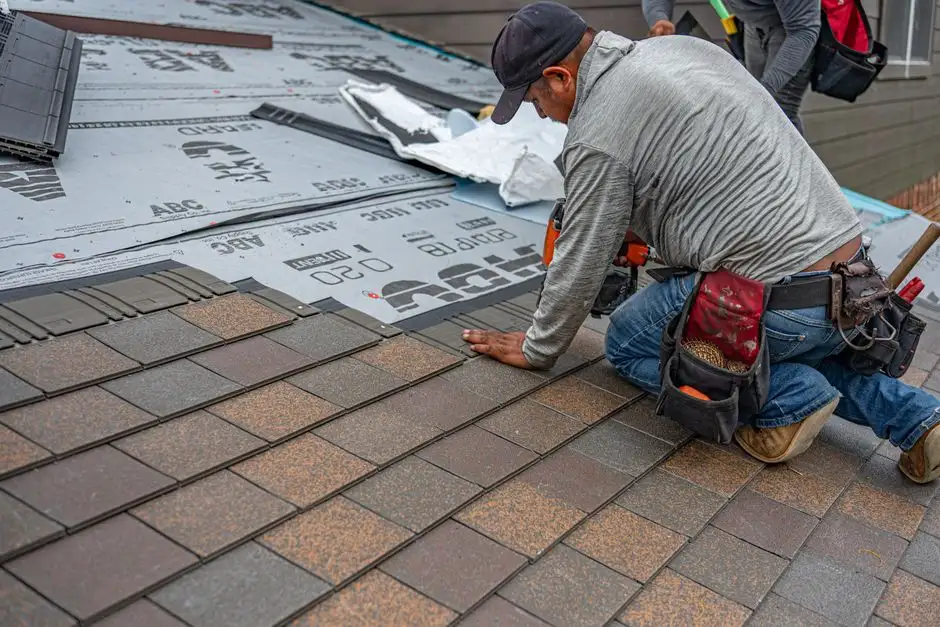
To temporarily stop a roof leak in an emergency, first contain the water inside with buckets and towels, then go outside-only if it's safe-and cover the leak area with a tarp or plastic sheeting secured with roofing nails or sandbags. If you can't get on the roof, call a professional for emergency roof tarping. This guide walks you through the safest, fastest ways to stop water intrusion during a Florida storm, what materials actually work, and when it's time to hand it off to a pro.
Florida's afternoon thunderstorms and hurricane season can turn a small roof leak into a flooded living room in minutes. We've seen it hundreds of times across the state-homeowners scrambling for buckets while water stains spread across the ceiling. The good news: with the right approach, you can stop the flow long enough for a permanent fix. Here's how to do it without making things worse.
What to do first when water is coming through your ceiling
When water is actively dripping through your ceiling, your first priority is to protect people and belongings, not to fix the roof. Move furniture, electronics, and rugs out of the way. Place buckets or large bins under the drip. If the ceiling is bulging, poke a small hole at the lowest point with a screwdriver to let trapped water drain-this prevents a sudden collapse. Then turn off the electricity to that area at the breaker box if it's safe to do so.
Once the interior is contained, you can assess the roof. But never climb onto a wet roof during a storm. Wait for the rain to stop or at least slow to a drizzle. If the leak is severe and you can't wait, call a professional for emergency roof leak repair in Florida. We handle these calls 24/7 and can tarp your roof before more damage occurs.
While you wait, document everything: take photos of the leak, the water damage, and any belongings that get ruined. Your insurance company will want this evidence. Also, note the date and time-it helps establish the timeline for your claim.
How do I temporarily stop a roof leak in an emergency in Florida?
You temporarily stop a roof leak in an emergency in Florida by applying a waterproof patch-such as a tarp, plastic sheeting, or roofing cement-over the damaged area from the outside. If the roof is too steep or slippery, use a long-handled tool to push a patch into place from the ground. For flat roofs, you can sometimes roll out a self-adhering membrane. The key is to redirect water away from the leak, even if the patch isn't perfect.
Florida's intense sun and sudden storms mean many roofs have compromised flashing, missing shingles, or cracked pipe boots. A temporary fix buys you time, but it won't last through the next downpour. That's why we recommend calling a pro as soon as the weather clears. If you're in an area like Roof Leak Repair in Naples, where afternoon storms are routine, having a professional assess the damage quickly can save you thousands in interior repairs.
What can I use to patch a roof leak temporarily in Florida?
For a temporary roof patch in Florida, the most reliable materials are heavy-duty tarps, 6-mil plastic sheeting, roofing cement, and butyl tape. Avoid duct tape-it won't hold up to rain or heat. Here's what works:
- Tarps: Use a polyethylene tarp at least 6 mil thick. Secure it with roofing nails, sandbags, or bricks. Make sure it extends at least 4 feet beyond the leak on all sides.
- Plastic sheeting: 6-mil clear plastic works for small areas. Secure with furring strips and screws.
- Roofing cement: Apply around flashing, vents, or chimney areas. It's messy but effective for small cracks.
- Butyl tape: Great for sealing around pipe boots and small holes. Press it firmly into place.
If you're dealing with a flat roof, a self-adhering membrane like Peel & Seal can work, but it requires a clean, dry surface. For pitched roofs, tarps are your best bet. If you're not comfortable on a ladder, don't risk it. Our team can handle emergency roof tarping in Florida and make sure your home is protected.
Step-by-step: temporary roof leak repair during a Florida storm
Follow these steps to safely and effectively stop a roof leak during a Florida storm. Remember: safety first. If at any point you feel unsafe, stop and call a professional.
- Wait for a break in the weather. Never go on the roof during lightning or heavy rain. Even a light drizzle can make surfaces slippery.
- Gather your materials. You'll need a tarp, roofing nails, a hammer, and gloves. A bucket of roofing cement can help for small spots.
- Set up your ladder safely. Place it on stable ground, and have someone spot you. Avoid leaning it against gutters that may be loose.
- Locate the leak source. Look for missing shingles, damaged flashing, or cracked pipe boots. If you can't find it, check the attic for water trails.
- Apply the patch. For a tarp, unroll it over the leak and extend it up and over the ridge if possible. Nail it every 12-18 inches along the edges, but only through the tarp-not into the roof deck if you can avoid it.
- Secure the edges. Use sandbags or bricks to weigh down the tarp. This prevents wind from ripping it off.
- Check inside. Have someone inside watch for drips. If water still comes in, adjust the tarp.
This temporary fix can hold for a few days, but it's not a permanent solution. Florida's UV rays will degrade the tarp within weeks. Schedule a permanent repair as soon as possible. If you're in Roof Leak Repair in Sarasota, we can often get to you within 24 hours after a storm.
Common mistakes to avoid when stopping a roof leak
Homeowners often make these mistakes when trying to stop a roof leak in an emergency. Avoiding them can save you from further damage or injury.
- Using duct tape or caulk on a wet surface. Neither will adhere properly, and they'll fail within hours.
- Walking on a wet roof. It's the leading cause of DIY roofing injuries. Wait for dry conditions or call a pro.
- Ignoring the leak's source. Water can travel along rafters, so the drip inside may not be directly under the hole. Always inspect the roof from multiple angles.
- Not securing the tarp properly. A loose tarp will flap in the wind and can tear shingles or cause more damage.
- Delaying a permanent fix. Temporary patches are just that-temporary. Mold can start growing within 24-48 hours.
If you've already made one of these mistakes, don't panic. Call us for a professional assessment. We can repair the damage and get your roof back to full protection.
When to call a professional
Call a professional if the leak is widespread, if you can't safely access the roof, or if water is pooling in your ceiling. Also call if you see sagging drywall, mold, or electrical hazards. These are signs that the damage is beyond a DIY patch.
At Weatherproof Roofing Inc, we specialize in diagnosing and fixing roof leaks fast. We use infrared cameras to find hidden moisture and ensure the repair is done right the first time. Whether you need roof flashing repair in Florida or a full roof inspection, our team is ready to help. We serve homeowners across the state, from Roof Leak Repair in Dunnellon to the Gulf Coast.
Don't wait until the next storm to address a leak. A small fix now can prevent thousands in water damage later.
Frequently Asked Questions
How do I temporarily stop a roof leak in an emergency in Florida?
First, contain water inside with buckets. If safe, go outside and cover the leak with a tarp or plastic sheeting secured with nails or sandbags. If you can't access the roof, call a professional for emergency tarping. Never climb on a wet roof during a storm.
What can I use to patch a roof leak temporarily in Florida?
Use a 6-mil polyethylene tarp, 6-mil plastic sheeting, roofing cement, or butyl tape. Tarps are best for large areas; cement works for small cracks. Avoid duct tape-it won't hold up to Florida's heat and rain.
Should I try to fix a roof leak myself in Florida?
Only if it's safe and you can access the leak without climbing on a wet roof. If the leak is large, the roof is steep, or you see structural damage, call a professional. DIY fixes are temporary and can be dangerous.
How long does a temporary roof patch last in Florida?
A tarp or plastic patch typically lasts 2-4 weeks, depending on weather. Florida's UV rays degrade materials quickly. Schedule a permanent repair within a few days to avoid mold and further damage.
What should I do if water is pouring through my ceiling?
Move belongings away, place buckets under the drip, and if the ceiling bulges, poke a small hole to drain water. Turn off electricity to that area if safe. Then call a professional immediately-this is a major leak that needs urgent attention.
Get help with Roof Leak Repair in Florida
If your roof is leaking and you need fast, reliable help, call Weatherproof Roofing Inc at (833) 356-1017. We'll stop the leak, assess the damage, and give you a permanent repair plan. Don't let a small leak become a big problem-reach out today.