Signs Your Roof Flashing Is Failing and Causing Leaks
Rust streaks, ceiling stains near chimneys, and water in the attic after a storm are the top signs your roof flashing is failing and causing leaks in Florida.
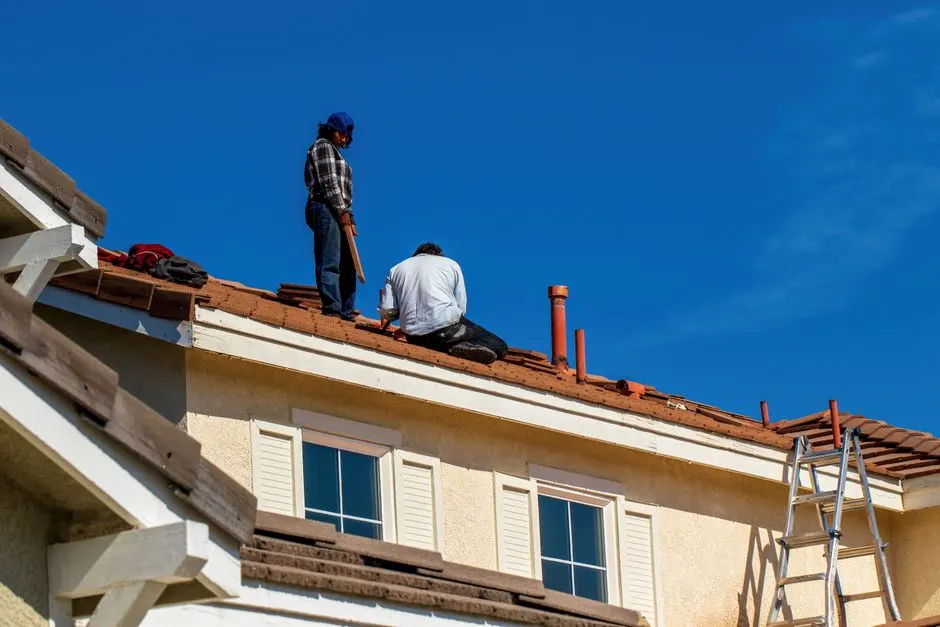
The signs your roof flashing is failing and causing leaks are rust streaks on the metal, lifting or curling edges, cracked sealant, and water stains on ceilings or walls near chimneys, vents, and valleys. If you see any of those, the leak is almost certainly coming from a flashing joint rather than the shingles themselves. In Florida, that matters because our afternoon storms push water sideways against every seam on the roof, and the metal that protects those seams takes more abuse here than almost anywhere else in the country. Below we walk through what flashing does, the specific failure signs we see on Florida roofs, how to check for them yourself, and when it is time to call us.
What Roof Flashing Does and Why It Fails in Florida
Roof flashing is the metal - usually aluminum, galvanized steel, or copper - that seals the joints where your roof meets something that is not a shingle: chimneys, vent pipes, skylights, valleys, wall intersections, and the edges of flat or low-slope sections. It is the roof's waterproofing at every interruption, and it is the number one source of leaks we find on Florida homes.
Three things kill flashing here. First, UV. Central and South Florida get roughly 230 to 250 sunny days a year, and that sun bakes the sealant and caulk around flashing until it cracks and pulls away from the metal. Second, thermal movement. A roof surface can swing from the high 80s in the afternoon to the 60s overnight, and that expansion and contraction works the fasteners loose over a few seasons. Third, wind-driven rain. A typical summer squall pushes water at 40 to 60 mph horizontally, straight into any gap the flashing has opened up.
If your home is more than 12 to 15 years old and has never had the flashing resealed, you are on borrowed time. We handle roof flashing repair in Florida every week on homes that age, and the pattern is always the same: a small, cheap fix that was ignored until it became a ceiling repair and a mold problem.
What Are the Signs of Failing Roof Flashing in Florida?
The signs of failing roof flashing in Florida show up in two places: on the roof itself and inside the house. On the roof, look for orange or white rust streaks running down the metal, sealant that has cracked or disappeared, flashing that has lifted at the corners, and nails that have backed out. Inside, look for brown rings on the ceiling, bubbling paint, and a musty smell in the attic after a storm.
Here is the short list we hand to homeowners during an inspection:
- Rust streaks or chalky white oxidation on chimney flashing, vent boots, or valley metal.
- Cracked, peeling, or missing sealant along the top edge of any flashing piece.
- Lifted or curled metal edges where the flashing should lie flat against the shingles.
- Water stains on ceilings or walls within 3 to 6 feet of a chimney, skylight, or plumbing vent.
- Damp attic sheathing or insulation directly below a roof penetration.
- Granules or rust flakes collecting in gutters below a flashing joint.
One sign alone is enough to act on. Two or more means water has been getting in for a while, and the damage behind the drywall is usually worse than what you can see.
How Do I Know If My Roof Flashing Is Leaking in Florida?
You know your roof flashing is leaking in Florida when water appears inside the house during or within 24 hours of a heavy rain, and the stain is located near a roof penetration rather than in the middle of a shingle field. That timing and location combo is the giveaway. Shingle failures usually leak straight down; flashing failures leak sideways and show up several feet away from the actual gap.
A simple test you can run from the ground: after a hard afternoon storm, go into the attic with a flashlight and look at the underside of the roof deck around the chimney, vents, and any skylight. Wet sheathing, dark streaks on the rafters, or dripping water are all confirmation. Do not climb onto a wet roof to check - that is how people get hurt.
If you would rather not crawl into a 130-degree attic in July, we do emergency roof leak repair in Florida and can trace the source with a hose test and moisture meter in under an hour.
How to Tell If Roof Flashing Is Bad in Florida: A Room-by-Room Check
To tell if roof flashing is bad in Florida, work from the inside out. Start in the room below the suspected penetration, then move to the attic, then to the roof if it is safe and dry. Each step narrows the source.
Inside the living space
Look at the ceiling within 6 feet of a chimney, skylight, or vent stack. Brown rings, bubbling paint, and soft drywall are late-stage signs - water has been traveling for weeks. A faint stain that reappears after every storm is an early sign, and that is the best time to fix it.
In the attic
Check the sheathing around each penetration for dark streaks, soft spots, and rusted nail heads. In Florida, we also look for white or green mold on the rafters, which tells us the leak has been active for at least a month.
On the roof
From a ladder at the eave, look at the flashing around the chimney and vent pipes. Rust, cracked caulk, and lifted edges are visible from 10 to 15 feet away on a dry day. If the flashing looks fine but you still have a leak, the problem may be the underlayment beneath it, and that is a different repair - we handle roof underlayment repair in Florida for exactly that situation.
Flashing Leak Detection in Florida: What Our Technicians Look For
Flashing leak detection in Florida starts with the penetrations, because that is where 8 out of 10 of the leaks we repair originate. Our technicians check the chimney counter-flashing and step flashing first, then the vent pipe boots, then skylight curbs, then valley metal, then wall and headwall flashing.
We use a two-person hose test: one person on the roof directing water at a specific joint, one in the attic watching for the drip. That tells us the exact entry point instead of guessing. We also use a moisture meter on the sheathing to map how far the water has spread - a leak at the chimney often shows up 4 to 6 feet away at a recessed light.
Pipe boots are the most common single failure we see. The rubber collar on a standard boot cracks and splits after 8 to 12 years of Florida sun, and once it splits, water runs straight down the pipe into the ceiling. That is a pipe boot repair in Florida job, and it is one of the cheapest roof repairs you can make - usually a fraction of what the interior water damage costs to fix.
Common Mistakes Florida Homeowners Make With Flashing Leaks
The biggest mistake is caulking over the problem. A tube of roof sealant from the hardware store will stop the drip for one season, maybe two, but it does not fix the lifted metal or the failed fastener underneath. When the caulk fails again, the leak comes back bigger.
Other mistakes we see constantly:
- Assuming the shingles are the problem. Homeowners replace an entire shingle field when the actual leak is a $200 flashing repair.
- Ignoring a small ceiling stain. A stain the size of a dinner plate usually means 10 to 20 square feet of wet insulation and sheathing behind it.
- Hiring the cheapest quote. Flashing repair requires pulling shingles back, replacing the metal, and re-lapping it correctly. A handyman who smears sealant and leaves is not doing that.
- Waiting until hurricane season. By June, every roofer in the state is booked. October through February is when we can get to flashing repairs fast.
One more: do not pressure-wash your roof to "clean up" the flashing area. That forces water into the exact joints you are trying to protect.
When to Call a Professional
Call a professional when you have water inside the house, when the flashing is rusted through, or when the leak returns after a repair. Those three situations mean the flashing needs to be replaced, not resealed, and that is a job for a licensed roofer who can pull shingles, install new metal, and re-lap it to code.
We see this constantly in older Florida neighborhoods - 1970s and 1980s block homes with original chimney flashing that has been patched four times. At some point the metal itself is the problem, and no amount of sealant fixes it. If you are in one of those areas, our team handles Roof Leak Repair in Naples and the surrounding counties with the same process: find the entry point, replace the failed flashing, and water-test it before we leave.
Weatherproof Roofing Inc is a state-licensed roofing contractor. We give you a written price before we start, and we do not leave until the leak is dry. If you are not sure whether your flashing is the issue, we will tell you honestly - sometimes the answer is a $150 reseal, and we would rather earn your trust than sell you a roof.
Frequently Asked Questions
What are the signs of failing roof flashing in Florida?
Rust streaks on the metal, cracked or missing sealant, lifted flashing edges, and water stains on ceilings or attic sheathing near chimneys, vents, or skylights. In Florida, the first sign is usually a rust stain or a ceiling ring that reappears after every afternoon storm.
How do I know if my roof flashing is leaking in Florida?
Water inside the house within 24 hours of heavy rain, located near a roof penetration rather than mid-shingle, points to flashing. Confirm it in the attic by checking for wet sheathing or dark streaks around the chimney, vents, or skylight after a storm.
Can I repair failing roof flashing myself in Florida?
You can reseal a small, accessible joint with roofing caulk, and that may buy you a season. But if the metal is rusted, lifted, or the leak returns, it needs replacement - which means pulling shingles and re-lapping the flashing. That is a licensed roofer's job, and doing it wrong causes more damage than the original leak.
How much does roof flashing repair cost in Florida in 2026?
Most flashing repairs in Florida run $250 to $800 depending on the type and access. A pipe boot replacement is usually at the low end; chimney or skylight flashing with shingle work runs higher. Emergency tarping before a permanent repair typically costs $300 to $600.
How long does roof flashing last in Florida?
Standard aluminum and galvanized flashing lasts 15 to 20 years in Florida; copper can go 40-plus. The sealant around it fails much sooner - often in 5 to 8 years - which is why resealing every few years extends the life of the metal significantly.
Get Help With Roof Leak Repair in Florida
If you have spotted rust, cracked sealant, or a ceiling stain near a chimney or vent, do not wait for the next storm to make it worse. We find the leak, fix the flashing, and water-test it before we leave - usually the same day you call.
Call Weatherproof Roofing Inc at (833) 356-1017 and we will get a technician out to trace the leak and give you a straight price on the repair.